
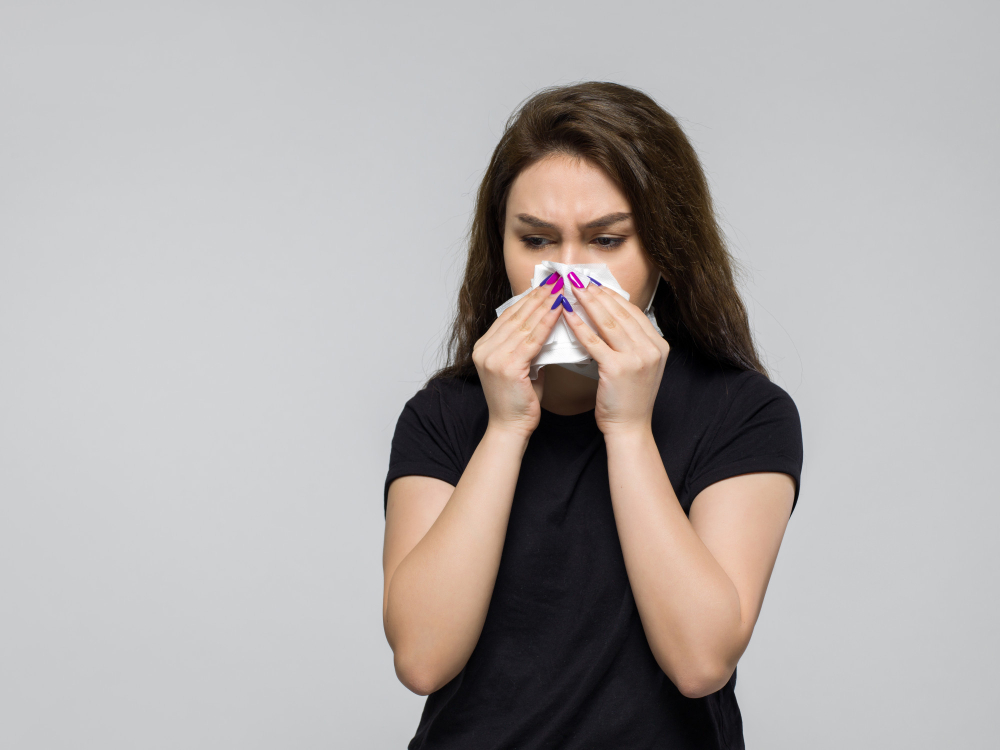
What Is a Nasal Polyp?
A nasal polyp is a soft, painless growth inside the nose. These growths are not cancerous. Usually, they form in the lining of the nasal passages or sinuses. Nasal polyps can block airflow and make breathing harder. In many cases, people do not notice small polyps. However, larger ones may cause clear symptoms. Nasal polyps are common and can affect both adults and children. According to the CDC, they often appear in people with allergies or asthma. Because of this, it is important to know the signs and seek help if needed.
Common Symptoms of Nasal Polyps
Many people with nasal polyps experience symptoms that affect daily life. For example, you may notice:
Sometimes, symptoms are mild. But in other cases, they can be severe and last for weeks. If you notice these signs, it is wise to talk to a healthcare provider.
Causes and Risk Factors
Nasal polyps often develop because of long-term swelling in the nose. This swelling can be caused by:
In addition, some people are more likely to get nasal polyps. For example, adults over 40 and those with family members who have polyps are at higher risk. Smoking and living in polluted areas may also increase the chance of developing nasal polyps.
How Nasal Polyps Are Diagnosed
Doctors use several methods to diagnose nasal polyps. First, they ask about your symptoms and medical history. Next, they may look inside your nose using a special light or a thin camera called an endoscope. Sometimes, a CT scan or MRI is needed to see the size and location of the polyps. These tests help rule out other problems, such as tumors. Early diagnosis is important because it can prevent complications like sinus infections or breathing problems.
Homeopathic Treatment Options for Nasal Polyps
Many people look for natural remedies for nasal polyps. Homeopathy is one option that some choose. Homeopathic treatment uses small doses of natural substances to help the body heal. For nasal polyps, a qualified homeopath may suggest remedies based on your symptoms and overall health. Some common homeopathic remedies include:
However, it is important to remember that homeopathic remedies should be chosen by a trained practitioner. The World Health Organization advises consulting a healthcare provider before starting any new treatment. While some people find relief with homeopathy, results can vary. Always discuss your options with a professional.
Lifestyle Tips and Prevention Strategies
There are steps you can take to lower your risk of nasal polyps or manage symptoms. For instance:
Additionally, drinking plenty of water and using saline nasal sprays can help keep your nose clear. These simple steps may reduce swelling and prevent new polyps from forming.
When to Consult a Healthcare Professional
Although some people try natural remedies for nasal polyps, it is important to seek medical advice if:
Early treatment can prevent problems and improve your quality of life. Therefore, do not wait if you have concerns about nasal polyps.
Consult a qualified homeopathic practitioner for personalized advice on managing nasal polyps.